
Germany and India have taken a significant step toward strengthening their strategic partnership by signing a series of agreements focused on green energy, green hydrogen infrastructure, renewable technologies, semiconductors, and critical minerals. The announcements followed German Chancellor Friedrich Merz’s first official visit to Asia, highlighting the growing importance of India as a key partner in Germany’s energy transition and supply chain diversification strategy.
The bilateral engagements underscore both countries’ shared commitment to building secure, resilient, and sustainable supply chains at a time of major geopolitical and economic shifts. Speaking at a joint press conference, Indian Prime Minister Narendra Modi emphasized that India and Germany are working together to foster trusted partnerships across critical sectors, particularly renewable energy and advanced technologies.
Expanding Cooperation in Renewable Energy and Clean Technologies
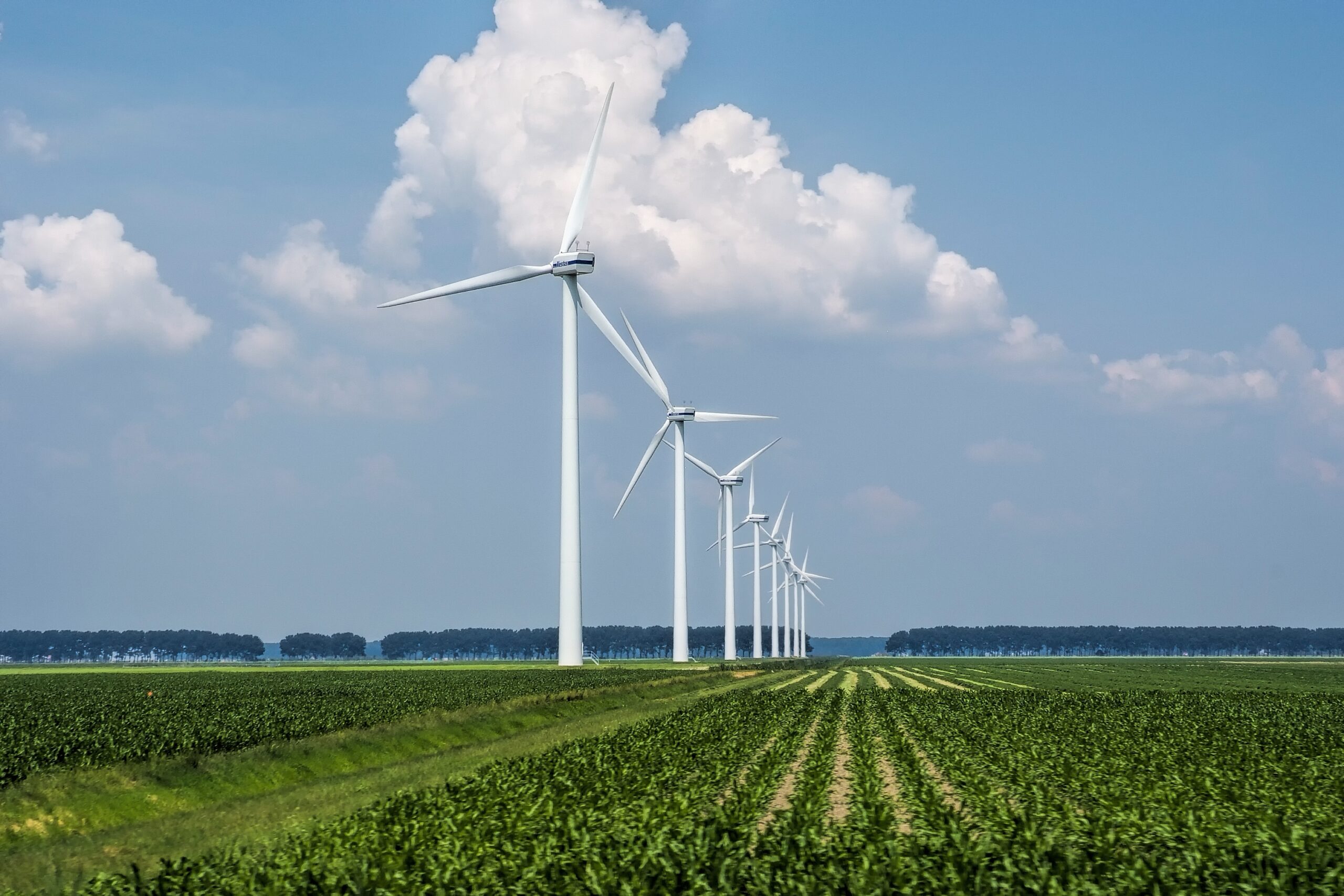
Renewable energy cooperation emerged as a central pillar of the discussions. Prime Minister Modi announced the establishment of a German–Indian Centre of Excellence, envisioned as a joint platform for knowledge exchange, technology transfer, innovation, and capacity building in renewable energy. The initiative aims to deepen collaboration in areas such as solar power, wind energy, energy storage, and clean energy integration.
Germany brings to the partnership extensive expertise from its Energiewende; the national energy transition that prioritizes renewable expansion, energy efficiency, and emissions reduction. India, meanwhile, offers scale, rapid growth, and ambitious clean energy targets, making it a critical partner for piloting and deploying renewable technologies at large scale.
The agreements also cover cooperation in semiconductor development, a sector increasingly recognized as essential for both digital and green technologies. Semiconductors are integral components in wind turbines, photovoltaic systems, electric vehicles, heat pumps, and smart grids, all of which are central to the global clean energy transition.
Focus on Critical Minerals and Supply Chain Resilience
A major outcome of the visit was the signing of a memorandum of understanding on critical minerals, granting Germany improved access to India’s mineral resources. This move aligns with Germany’s broader strategy to reduce dependence on concentrated supply chains, particularly in areas currently dominated by China.
Germany’s economy ministry, in collaboration with the European wind industry, has recently launched a “resilience roadmap” aimed at reducing reliance on Chinese permanent magnets used in wind turbines. Industry groups have warned that raw material shortages could become a major bottleneck for Europe’s energy transition, calling for diversified partnerships to secure supplies. India’s role as a resource-rich and strategically aligned partner is therefore gaining importance.
Chancellor Merz highlighted that, in light of profound geopolitical changes, both nations share a fundamental interest in deepening their strategic partnership and enhancing economic and technological cooperation.
Building Green Hydrogen Infrastructure
Green hydrogen featured prominently in the bilateral discussions, reflecting its growing importance in decarbonizing hard-to-abate sectors. India and Germany announced a partnership to develop green hydrogen infrastructure and secure long-term off-take arrangements for green ammonia, a hydrogen-based fuel that is easier to store and transport.
As part of this effort, India’s Petroleum and Natural Gas Regulatory Board (PNGRB) signed a memorandum of understanding with DVGW, a German technical and scientific association specializing in gas and water infrastructure. The MoU establishes a framework for integrating hydrogen into India’s natural gas network.
According to PNGRB, the agreement will support evidence-based regulation and standardization, beginning with hydrogen blending and progressing toward 100 percent hydrogen applications, subject to statutory approvals. The partnership will enable the exchange of best practices in safety, leak detection, odorization, and technical standards, while adapting German expertise to Indian operating conditions.
Network simulation tools will initially be used for hydrogen blends of up to 20 percent, with a long-term roadmap toward full hydrogen usage. DVGW will provide access to its technical rules, testing principles, and standardization methodologies, supporting India’s emerging hydrogen ecosystem.
Green Ammonia Off-Take Agreement
In a major commercial development, AM Green Ammonia, part of the Greenko Group, signed a long-term binding off-take agreement with Uniper Global Commodities SE. Under the deal, Uniper will purchase up to 500,000 tonnes of green ammonia per year, certified as a renewable fuel of non-biological origin (RFNBO).
The first shipment is expected as early as 2028 from AM Green’s under-construction one million tonne per annum plant in Kakinada, Andhra Pradesh. Designed to meet stringent European compliance standards, the green ammonia will support decarbonization across sectors such as chemicals, aluminium, fertilizers, and other energy-intensive industries.
A Broader Strategic Engagement
The green energy and hydrogen agreements were part of a broader set of 27 bilateral agreements, which also included cooperation in security, health, artificial intelligence, and advanced technologies. Chancellor Merz was accompanied by a delegation of 23 CEOs and industry leaders, underlining strong private-sector interest in expanding India–Germany economic ties.
Together, these developments signal a deepening and more comprehensive partnership between India and Germany; one that aligns climate action with industrial growth, supply chain resilience, and technological innovation. As both countries navigate the global transition to a low-carbon economy, their collaboration is set to play a pivotal role in shaping sustainable energy systems for the future.