
In recent years, global health experts have increasingly focused their attention on emerging infectious diseases that have the potential to trigger serious outbreaks. One virus that continues to raise concern is the Nipah virus. Although rare, Nipah virus infections are often severe and deadly, prompting health authorities worldwide to monitor it closely. Its high fatality rate, ability to spread from animals to humans, and lack of approved treatments make it a significant public health threat.
Understanding why the Nipah virus is so closely watched can help explain how health systems prepare for future epidemics and protect populations from emerging diseases.
What Is the Nipah Virus?
The Nipah virus (NiV) is a zoonotic virus, meaning it can be transmitted from animals to humans. It belongs to the Henipavirus genus and was first identified in 1999 during an outbreak in Malaysia and Singapore. That outbreak infected hundreds of people and led to more than 100 deaths, mainly among pig farmers.
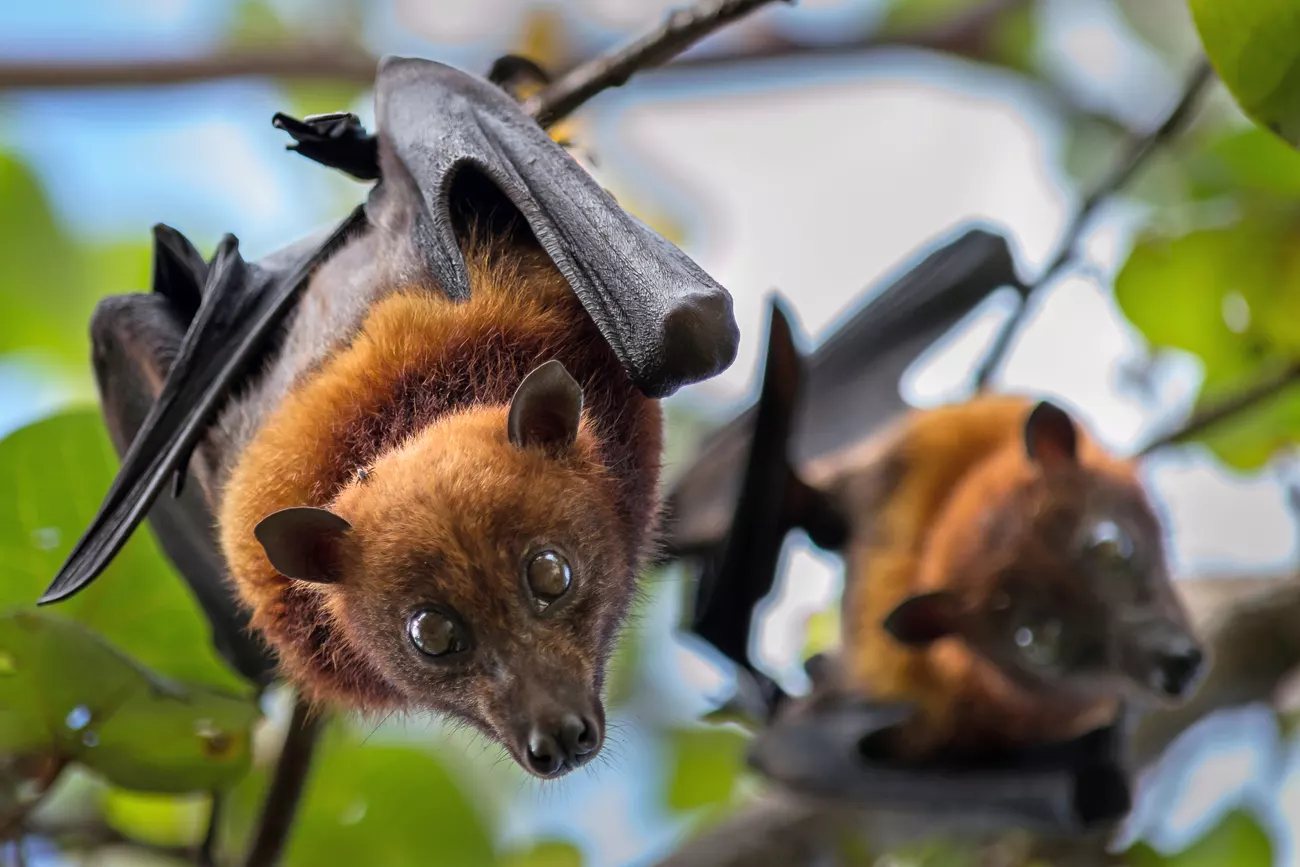
Fruit bats, particularly species known as flying foxes, are the natural carriers of the virus. These bats do not show symptoms but can transmit the virus to humans directly or through intermediate animals such as pigs.
How Nipah Virus Spreads
Health experts are concerned about the Nipah virus partly because of its multiple transmission pathways. Humans can become infected through:
Direct contact with infected bats or pigs
Consumption of food contaminated by bat saliva or urine, such as raw date palm sap
Close contact with an infected person, especially bodily fluids like saliva or respiratory secretions
Several outbreaks in South Asia have involved human-to-human transmission, including in healthcare settings, which increases the risk of wider spread.
Why the Nipah Virus Is So Dangerous
1. High Fatality Rate
One of the most alarming aspects of Nipah virus infection is its high mortality rate, which ranges from 40% to 75% depending on the outbreak and access to medical care. This makes it far more lethal than many other viral infections.
2. Severe and Rapid Illness
Symptoms usually appear within 4 to 14 days after exposure. Early symptoms may resemble common viral illnesses, including:
Fever
Headache
Muscle pain
Vomiting
However, the disease can quickly progress to severe conditions such as:
Acute respiratory distress
Encephalitis (brain inflammation)
Seizures
Coma
In some cases, patients deteriorate rapidly, making early diagnosis difficult.
3. Long-Term Complications
Even survivors of Nipah virus infection may experience long-term neurological problems, such as memory loss, personality changes, or recurrent seizures. These complications place an additional burden on healthcare systems and families.
No Approved Treatment or Vaccine
Another major reason health experts are watching Nipah virus closely is the lack of specific treatments or vaccines. Currently, there is no approved antiviral medication that can cure Nipah virus infection.
Medical care is largely supportive, focusing on managing symptoms, maintaining breathing, and treating complications such as brain swelling. While researchers are developing experimental vaccines and treatments, none are widely available yet.
This absence of targeted medical countermeasures makes prevention and early containment the primary defenses against outbreaks.
Why Nipah Virus Has Pandemic Potential
The World Health Organization (WHO) has listed Nipah virus as a priority pathogen because of its potential to cause future epidemics. Several factors contribute to this risk:
Animal reservoirs are widespread, particularly fruit bats found across Asia and other regions
Human encroachment into wildlife habitats increases contact between people and infected animals
Urbanization and global travel could allow faster spread if an outbreak is not contained
Human-to-human transmission raises the possibility of sustained outbreaks
While Nipah virus is not currently spreading globally, experts worry that changes in the virus or environmental conditions could increase its transmissibility.
Regions Most Affected by Nipah Virus
Most recorded Nipah virus outbreaks have occurred in South and Southeast Asia, particularly in:
Bangladesh
India (especially Kerala)
Malaysia
In Bangladesh and India, outbreaks have often been linked to the consumption of raw date palm sap contaminated by bats, as well as close caregiving contact among families.
How Health Authorities Monitor and Prevent Outbreaks
Health experts closely monitor Nipah virus through surveillance systems and rapid response strategies. Key prevention measures include:
Monitoring bat populations and animal health
Educating communities about safe food practices
Encouraging the avoidance of raw or contaminated foods
Strengthening infection control in hospitals
Rapid isolation and contact tracing during outbreaks
Early detection is critical, as quick intervention can significantly reduce the spread of the virus.
Should the Public Be Worried?
For the general public, especially outside affected regions, the risk of Nipah virus infection remains very low. Outbreaks are usually localized, and health authorities act quickly to contain them.
However, experts emphasize the importance of vigilance. Monitoring viruses like Nipah helps global health systems stay prepared and respond rapidly if conditions change.
Conclusion
Health experts are watching the Nipah virus closely because it represents a high-impact, low-frequency threat. Its high fatality rate, severe symptoms, ability to spread between humans, and lack of approved treatments make it a virus that cannot be ignored.
While Nipah virus is not currently a global outbreak, continued research, surveillance, and public health preparedness are essential. By staying alert and investing in prevention, the global community can reduce the risk of Nipah virus becoming the next major health crisis.