
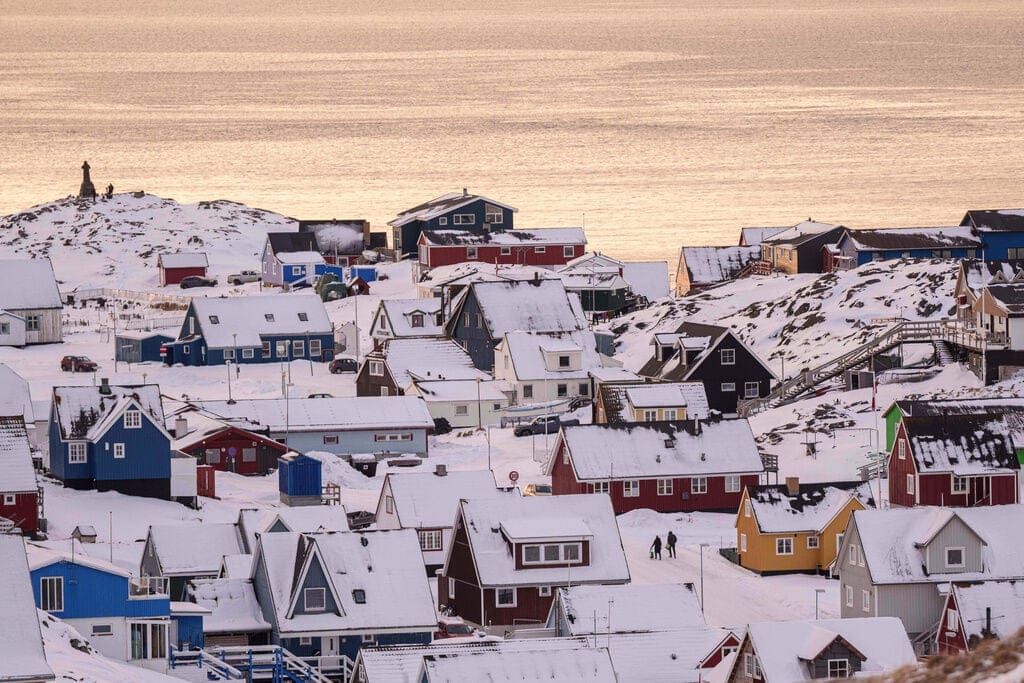
In a dramatic turn of events, European forces have arrived in Greenland, signaling a shift in military dynamics in the Arctic region. The deployment, which comes amid rising tensions between the United States and its European allies, underscores the growing complexities of global geopolitics, particularly in the strategically significant Arctic.
This move marks a significant step in the evolving military landscape of Greenland, a place long considered a critical piece in the global power puzzle due to its location and vast natural resources. The arrival of European troops has not only triggered diplomatic discussions but also raised concerns about potential friction with the United States, which has historically viewed Greenland through a lens of strategic necessity.
The Geopolitical Context: Greenland’s Strategic Importance
Greenland, an autonomous territory of Denmark, holds a uniquely important geographical position between North America and Europe, sitting in the heart of the Arctic. Its location provides access to vital shipping routes, natural resources, and military advantages. For decades, the U.S. has maintained a military presence on the island, with its Thule Air Base playing a key role in North American defense systems, particularly in monitoring missile threats and ensuring security in the Arctic region.
However, the Arctic’s rising geopolitical significance, driven by climate change and resource competition, has shifted the balance of power. As melting ice opens up new shipping lanes and exposes previously unreachable natural resources, global interest in the region has surged. This has drawn in European countries, particularly those with Arctic territories like Denmark, Norway, and Iceland, which have increasingly sought a more substantial military and diplomatic role in the area.
The Arrival of European Troops: A Sign of Tension
The deployment of European troops to Greenland is not just a logistical move; it is a symbolic shift in the global balance of power. While official statements from European governments have emphasized the defensive nature of the deployment, many analysts see this as an indication of growing disagreement between the U.S. and European powers regarding Arctic governance.
For years, the United States has been the dominant military power in the region, with significant control over defense initiatives and the use of Greenland’s territory for strategic purposes. However, recent tensions have highlighted the growing divide between European countries and the U.S., particularly with regard to military strategy, environmental protection, and territorial claims in the Arctic.
In 2025, a series of diplomatic standoffs and disagreements between the U.S. and European countries over military budgets, climate change policies, and Arctic sovereignty issues contributed to the current situation. The U.S. has been criticized for downplaying the environmental impact of its military operations in the region, while Europe has increasingly pushed for a more balanced and sustainable approach to Arctic security.
The Strategic and Environmental Concerns
One of the key factors driving the European presence in Greenland is the growing recognition of the need for a cooperative international approach to Arctic security. As environmental degradation accelerates and new geopolitical risks emerge, European nations are keen to ensure that their voices are heard in discussions about the future of the Arctic.
In recent years, military and environmental experts have warned that the Arctic could become a hotspot for international conflict due to its natural resources, vital shipping lanes, and competing territorial claims. The possibility of new naval routes opening in the Arctic Ocean, as well as the increased competition for oil, gas, and minerals, has heightened the strategic importance of the region.
European countries, including Norway and Denmark, have expressed concerns about the U.S.’s unilateral actions in the region, particularly its handling of military activities and its approach to international treaties concerning Arctic governance. These countries have called for more cooperation through multilateral frameworks like the Arctic Council and the United Nations Convention on the Law of the Sea (UNCLOS), which they argue should guide territorial disputes and resource exploitation.
At the same time, European leaders have emphasized the need for protecting the fragile Arctic environment from the devastating effects of over-exploitation. The U.S., under its current administration, has been criticized for prioritizing military expansion over environmental considerations in its Arctic strategies.
Impact on U.S.-European Relations
The arrival of European troops in Greenland is a direct challenge to the United States’ long-standing dominance in the Arctic. While the U.S. has not officially opposed the deployment, there have been reports of internal discussions within the Pentagon expressing concern about the erosion of American influence in the region.
Some analysts view this as part of a broader trend of Europe asserting itself more in global security matters, particularly in the face of U.S. policies that some European leaders see as increasingly isolationist or unilateral. The disagreement over Greenland is emblematic of deeper strategic divides between the U.S. and Europe, especially concerning the military-industrial complex, defense budgets, and military bases overseas.
As Europe strengthens its military and diplomatic ties with Arctic nations, the question arises: will this move create a rift in the Western alliance, or will it lead to a new, more collaborative framework for Arctic security?
What’s Next for Greenland and the Arctic Region?
In the short term, the presence of European troops in Greenland is likely to lead to a series of diplomatic discussions and possibly even a revision of defense treaties in the region. As tensions between the U.S. and Europe evolve, it remains to be seen whether this deployment will lead to greater cooperation or further division among NATO allies.
The arrival of European forces also comes at a time when Russia has been expanding its military presence in the Arctic, particularly in areas of contested territory. The increasing militarization of the Arctic by both European and Russian forces could prompt the U.S. to rethink its strategy in the region and respond to challenges from adversaries while balancing its relationships with European partners.
Moreover, environmental concerns may continue to push European nations toward a more holistic approach to Arctic security, which integrates defense, diplomacy, and climate protection. For the U.S., this could mean navigating a more complex diplomatic landscape in the region and reconsidering its military priorities.
Conclusion: The New Arctic Landscape
The arrival of European troops in Greenland represents a major shift in Arctic geopolitics, signaling a new era of competition and cooperation among global powers. While this move may create tensions with the U.S., it also offers an opportunity for more inclusive and environmentally sustainable discussions about the future of the Arctic.
As the Arctic becomes an increasingly critical region, the actions of Europe, the U.S., and other global players will shape the future of global security, territorial claims, and the preservation of one of the world’s most sensitive ecosystems.